
Most owners we meet in Miami don’t come to us because they love accounting. They come because something went sideways. A lender asked for financials and the numbers didn’t match the tax return. A sales tax notice showed up from a state they forgot they sold into. Or the owner simply looked at a healthy bank balance in March and a scary one in May and couldn’t explain the difference. Every one of those stories starts in the same place: the books.
This article is a plain look at what good bookkeeping for small business owners actually involves, what it costs you when it’s missing, and how to tell whether your current setup is helping or quietly hurting you.

Why the books matter more than most owners think
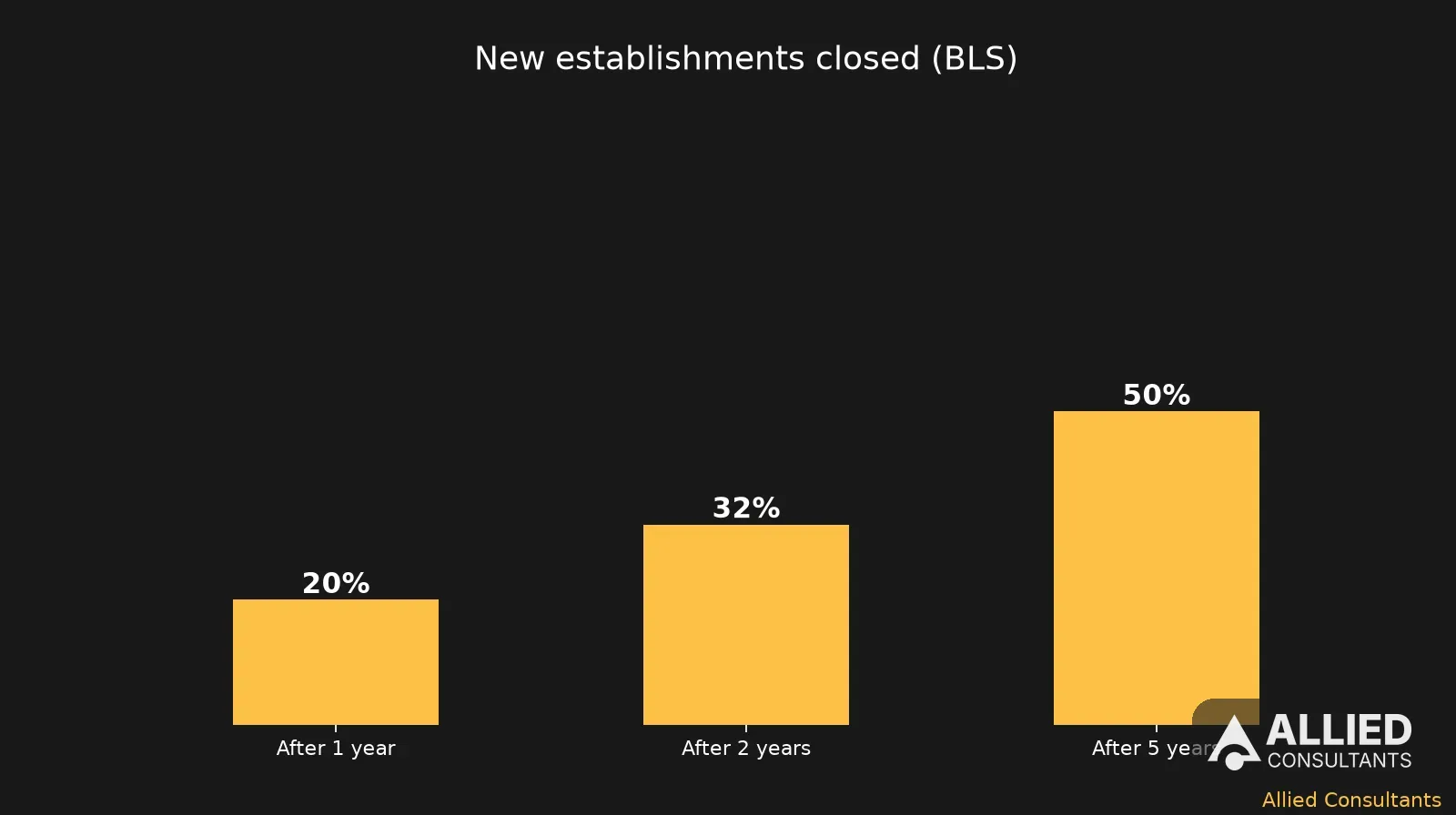
The U.S. has a lot of small companies. The SBA Office of Advocacy counts 36.2 million small businesses, which is 99.9% of all U.S. businesses. Plenty of them don’t last. Bureau of Labor Statistics research found that about 20% of new establishments don’t survive their first year and roughly half are gone within five years.
We’re not going to pretend bad bookkeeping causes all of that. Markets shift, partners split, leases go up. But we’ve sat across from enough owners to know that cash surprises are usually visible weeks or months ahead in the ledger. When nobody’s reading it, nobody sees them coming.
What real bookkeeping includes
A lot of owners think bookkeeping means “someone enters receipts.” That’s maybe a fifth of it. Here’s the work we think every small and midsize company needs done every month.
Transaction coding that reflects how you run the business
Your chart of accounts should match the decisions you make. If you run a landscaping crew and a design studio under one roof, lumping all revenue into one line tells you nothing. We’d split it so you can see which side actually earns money.
Bank and credit card reconciliations
Reconciling means proving that what’s in the books matches what the bank says, line by line. Skip it for six months and you’ll find duplicate entries, missing refunds and that one vendor who charged you twice in August.
A real month end close
Closing the month means accruals, prepaid expenses, payroll liabilities and inventory adjustments get booked, then the period is locked. Without a close, your March numbers keep changing every time someone edits a transaction, and you can’t trust any report you pull.
Reports you actually read
We send a profit and loss, a balance sheet and a cash summary, plus a short note in plain English. Something like: “Gross margin dropped two points because freight went up; here’s what we’d watch.”

DIY, a part time hire, or an outsourced team?
There’s no single right answer. It depends on your size, complexity and how much of your own time you want to spend on it. Here’s how we usually lay out the options for an owner.
| Approach | Works best when | Common risk |
|---|---|---|
| Owner does it in the evenings | Very early stage, few transactions, one bank account | Reconciliations slip; the owner’s time is worth more elsewhere |
| Part time in house bookkeeper | Steady volume, need for someone on site for receipts and bills | One person, no review, and nobody checks their work |
| Outsourced bookkeeping team | Growing companies, multiple entities, ecommerce, or lender reporting | Needs a clear monthly calendar and a responsive point of contact |
| Outsourced team plus CFO oversight | Revenue climbing, raising capital, or planning a sale | Higher monthly cost, which should be justified by better decisions |
That last row is where a lot of our clients land eventually. Once the books are clean, the next question is always “so what do we do with these numbers?” That’s the job of a fractional CFO, and it only works when the bookkeeping underneath is solid.
Three situations where clean books pay for themselves
When you apply for financing
Banks want to see financial statements that tie to your tax returns. If they don’t, expect a slow process, more questions, or a smaller line of credit. Picture a restaurant owner in Coral Gables applying for an equipment loan with two years of books that mix in personal expenses. That’s a typical case we see, and the cleanup can easily take longer than the loan approval itself.
When you sell physical products
Ecommerce brands live and die on unit economics. If your cost of goods sold is a guess, your margin is a guess. Good bookkeeping ties into your stock counts so COGS reflects what actually left the warehouse. If that part’s messy, our inventory management work usually goes hand in hand with the books.
When you eventually sell the company
This is the one owners don’t think about until it’s late. A buyer will hire someone to run a quality of earnings review on your numbers. Every unexplained adjustment becomes a negotiating point against you. Owners who prepare with a sell side QoE and valuation walk in knowing what a buyer will find. And if you’re on the other side, buying a business, our buy side QoE team will tell you fast whether the seller’s books hold up.

Signs your bookkeeping needs attention
You don’t need an audit to spot trouble. If two or more of these sound familiar, it’s time for a conversation.
- Your accountant asks for “cleanup” every spring before they can file.
- You can’t say what last month’s net profit was without logging in and guessing.
- Bank accounts haven’t been reconciled in more than 60 days.
- Owner draws, loans and personal charges all sit in one account called “Ask my accountant.”
- You’ve got sales in several states and aren’t sure where you owe sales tax.
- Your payroll provider’s reports never quite match the books.
None of these are unusual. Honestly, we see most of them in the first week with almost every new client. The fix is rarely dramatic. It’s usually a catch up project of a few weeks followed by a steady monthly routine.
What working with us looks like
We start with a review of your last twelve months. We look at how accounts are set up, what’s reconciled, what isn’t, and where the biggest gaps are. Then we give you a flat monthly fee and a calendar: bills processed on set days, reconciliations by a fixed date, and reports in your inbox by the middle of the following month.
You get a named person who knows your business. Not a ticket queue. If you text them asking why rent posted twice, they’ll know which rent you mean.
We also keep things simple on the software side. Most of our clients run QuickBooks Online or Xero, connected to their bank, payroll and sales channels. We don’t push you into a tool you don’t need.
A quick word on cost
Owners always ask what this should cost. It depends on transaction volume, number of accounts and entities, and whether there’s inventory or payroll involved. What we can say is that a monthly bookkeeping engagement nearly always costs less than one mistake caught too late: a missed sales tax filing, a loan delayed, or a deal price cut because the buyer couldn’t trust the numbers.
Frequently asked questions
How often should a small business do bookkeeping?
Transactions should be categorized weekly and the books should be reconciled and closed monthly. Monthly closes give you reliable reports and keep tax season from turning into a scramble.
What’s the difference between a bookkeeper and an accountant?
A bookkeeper records and reconciles transactions and produces monthly reports. An accountant or CPA typically handles tax filings, planning and formal financial statements, using the books as their starting point.
Can you clean up books that are months behind?
Yes. We do catch up projects regularly. We reconcile each account back to the last reliable point, fix miscoded transactions and then move you onto a normal monthly schedule.
Let’s look at your books together
If any of this sounded like your business, we’d be happy to take a look. There’s no cost and no pressure, just a real conversation about where your numbers stand. Start on our bookkeeping services page or reach out to our Miami team to book a free consultation.
Book a Free Meeting with Allied Consultants
Tell us about your business and we will get back to you within one business day.


