
Most owners sell a business once. Buyers, on the other hand, may have done it dozens of times. They know where to look, what questions to ask, and how to turn small issues in your financials into a lower price. That’s not cynical; it’s just how deals work. The good news is you can see your business the way a buyer will before you ever go to market.
That’s the idea behind a sell side quality of earnings and valuation. Here’s what it involves, why it matters, and how it protects the number you’re hoping for.

Why sellers prepare early
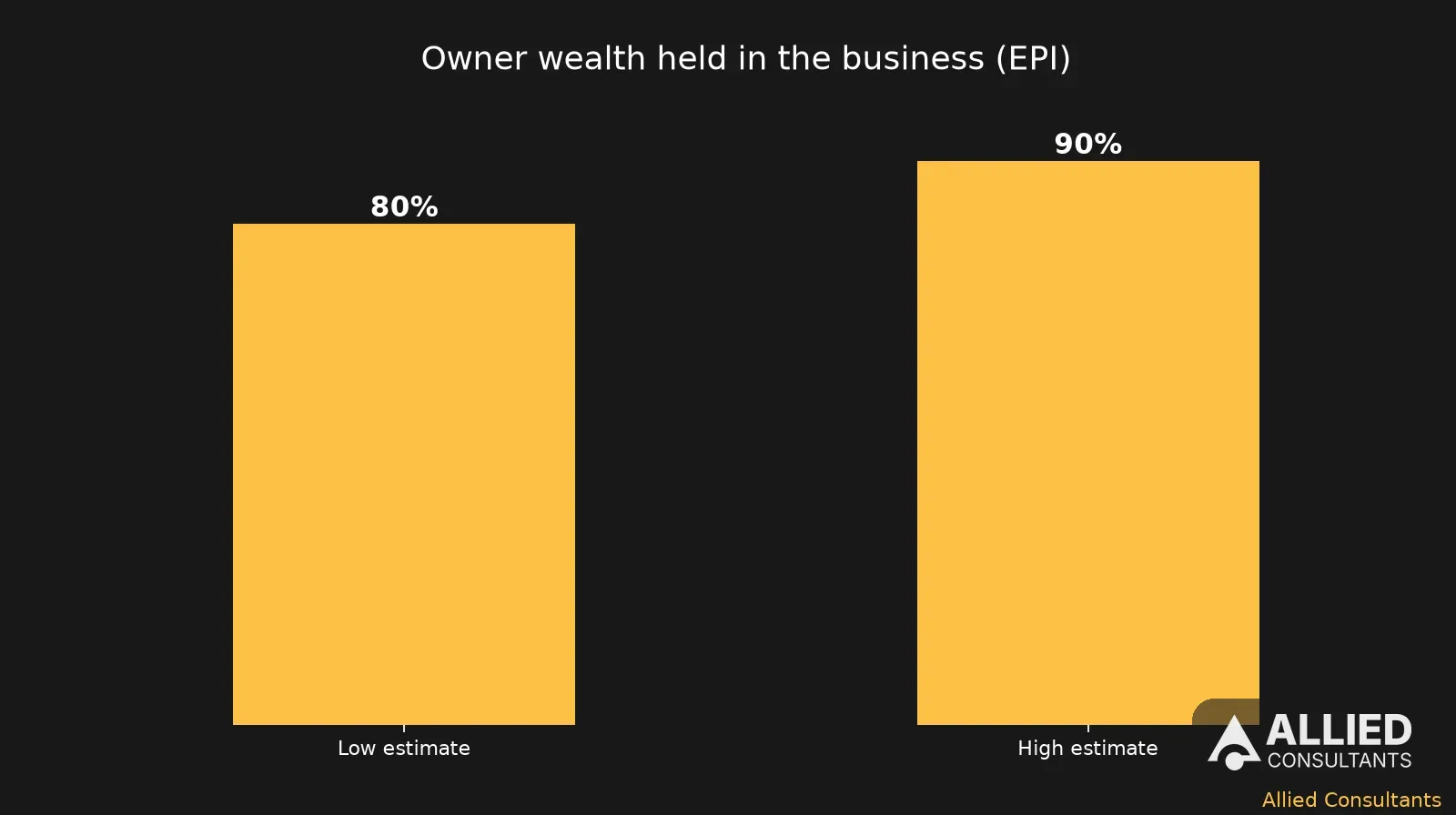
Your business is probably the largest asset you own. The Exit Planning Institute reports that most owners have 80% to 90% of their financial wealth locked in their businesses. That’s retirement, college funds and the next chapter all riding on one transaction.
Meanwhile, deals are getting done. BizBuySell counted 9,586 closed small business sales in 2025 with a median sale price of $350,000. Each of those buyers ran some form of diligence. The sellers who did their homework first usually had a smoother ride.
What a sell side QoE covers
A sell side QoE is essentially the same analysis a buyer would order, done on your behalf and on your timeline. We test the earnings, document every adjustment, and identify issues while you still have time to fix them.
Normalized EBITDA
We start with reported profit and make adjustments for owner compensation, personal expenses run through the business, one time events and accounting errors. Each adjustment gets support: invoices, contracts, payroll records. A buyer’s team can’t easily argue with a well documented add back.
Revenue and customer analysis
We break revenue down by customer, product, channel and month. If there’s concentration risk or seasonality, we’d rather you explain it up front than have a buyer discover it late.
Working capital
We calculate normal levels of receivables, inventory and payables so you go into negotiation with a defensible working capital target. This single number can swing your net proceeds by a surprising amount.
Valuation range
Using your normalized earnings, market multiples and the specifics of your business, we give you a realistic value range. Not a fantasy number, and not a lowball. A figure you can defend.

Prepared versus unprepared sellers
| Stage | Seller without a QoE | Seller with a sell side QoE |
|---|---|---|
| Marketing the business | Add backs are claims buyers discount | Add backs are documented and supported |
| Letter of intent | Price is based on unverified earnings | Price is based on tested earnings |
| Buyer diligence | Surprises appear and trigger renegotiation | Issues are already disclosed and explained |
| Working capital | Buyer proposes the target | Seller arrives with a supported number |
| Timeline | Delays while records are rebuilt | Data room is ready on day one |
The renegotiation trap
Here’s a typical case we see. Say you run a candle brand, sign an LOI at five times adjusted EBITDA, and feel great. Six weeks later the buyer’s diligence team finds that $120,000 of your add backs don’t hold up, inventory is overstated, and freight was booked in the wrong period. Suddenly they’re asking for a $700,000 price cut, and you’re exhausted, emotionally committed and running out of room to push back.
Every one of those issues could have been found and fixed, or at least explained, months earlier. That’s the real value of a sell side review. It moves surprises to a time when you control them.
Fixing what we find
Sometimes the QoE turns up things that take a few months to clean up. That’s fine; it’s why we suggest starting 12 to 24 months before a sale when you can. Common fixes include:
- Separating personal and business expenses going forward, with help from our bookkeeping team.
- Getting accurate counts and real landed costs through inventory management, especially for ecommerce and product brands.
- Bringing in a fractional CFO to build forecasts, tighten reporting and present the business to buyers.
- Documenting key customer contracts and reducing dependence on the owner.

What the process looks like
We keep it practical. First, we gather three years of financials, tax returns, bank statements, payroll and key contracts. Next, we rebuild monthly earnings and test every adjustment you’d like to claim. We’ll be straight with you here. If an add back won’t survive a buyer’s review, we’d much rather you hear it from us now than from a buyer’s accountant later.
Then we model working capital, look at customer and product trends, and build the valuation range. Finally, we put it all into a clear report and a data room checklist so your broker or banker can take the business to market with confidence. For most small and midsize companies, the whole thing takes a few weeks, longer if there’s cleanup to do first.
Questions we’ll ask you
Expect some honest conversations. Which customers would leave if you did? Who really runs operations when you’re on vacation? Are there any pending disputes, warranty claims or tax issues? Buyers will ask all of this. Answering it with us first means you’ll have thoughtful, consistent answers when it counts, instead of improvising in the middle of a negotiation.
We’ll also ask what you want out of the sale beyond price. Some owners care most about protecting their team. Others want a clean exit with no earnout, or a role for a couple of years. Knowing that early shapes how we present the numbers and which buyers make sense.
How it connects to the buyer’s review
A sell side QoE doesn’t replace the buyer’s diligence. Serious buyers will still run their own buy side QoE. But when they open your data room and find a clear report that already explains each adjustment, their work gets faster, their questions get narrower, and they’re far less likely to find something that shakes their confidence. Confidence is what keeps the price where it was agreed.
Frequently asked questions
When should I get a sell side QoE?
Ideally 12 to 24 months before you plan to sell, so there’s time to fix issues. At minimum, complete it before you go to market or sign a letter of intent.
Will buyers trust a QoE that the seller paid for?
Buyers will usually run their own diligence too, but a well documented sell side report speeds up their work and reduces the chance of late surprises and price cuts.
What’s the difference between a QoE and a valuation?
A QoE tests and normalizes your earnings. A valuation applies market multiples and business specific factors to those earnings to estimate what the company is worth. We provide both together.
Thinking about selling? Let’s talk first
Whether you’re planning to sell next quarter or in a few years, we’d be glad to give you an honest view of where your business stands. The first conversation is free. Explore our sell side QoE and valuation services or contact our Miami team.
Book a Free Meeting with Allied Consultants
Tell us about your business and we will get back to you within one business day.


