
Buying a business is exciting. You’ve found a company you like, the seller seems reasonable, and the broker’s package shows a healthy profit with a tidy list of “add backs.” Then you sign a letter of intent, and the clock starts ticking. This is exactly the moment to slow down and test the numbers, because the price you agreed to is built on a version of earnings that hasn’t been checked by anyone working for you.
That’s what a buy side quality of earnings review is for. Here’s how we think about it, what it covers, and why it’s usually the best money a buyer spends in a deal.

What a quality of earnings review is
A quality of earnings report, or QoE, is a financial due diligence analysis that answers one question: how much money does this business really make, on a repeatable basis? It isn’t an audit. An auditor gives an opinion on whether financial statements follow accounting rules. A QoE looks at whether the earnings a seller is presenting are sustainable, properly calculated and backed by real cash.
Most small and midsize deals are priced as a multiple of adjusted EBITDA or seller’s discretionary earnings. So if earnings are overstated by $150,000 and the multiple is four, you’d be overpaying by $600,000. That math is why buyers, lenders and investors care so much about this report.
The market you’re buying in
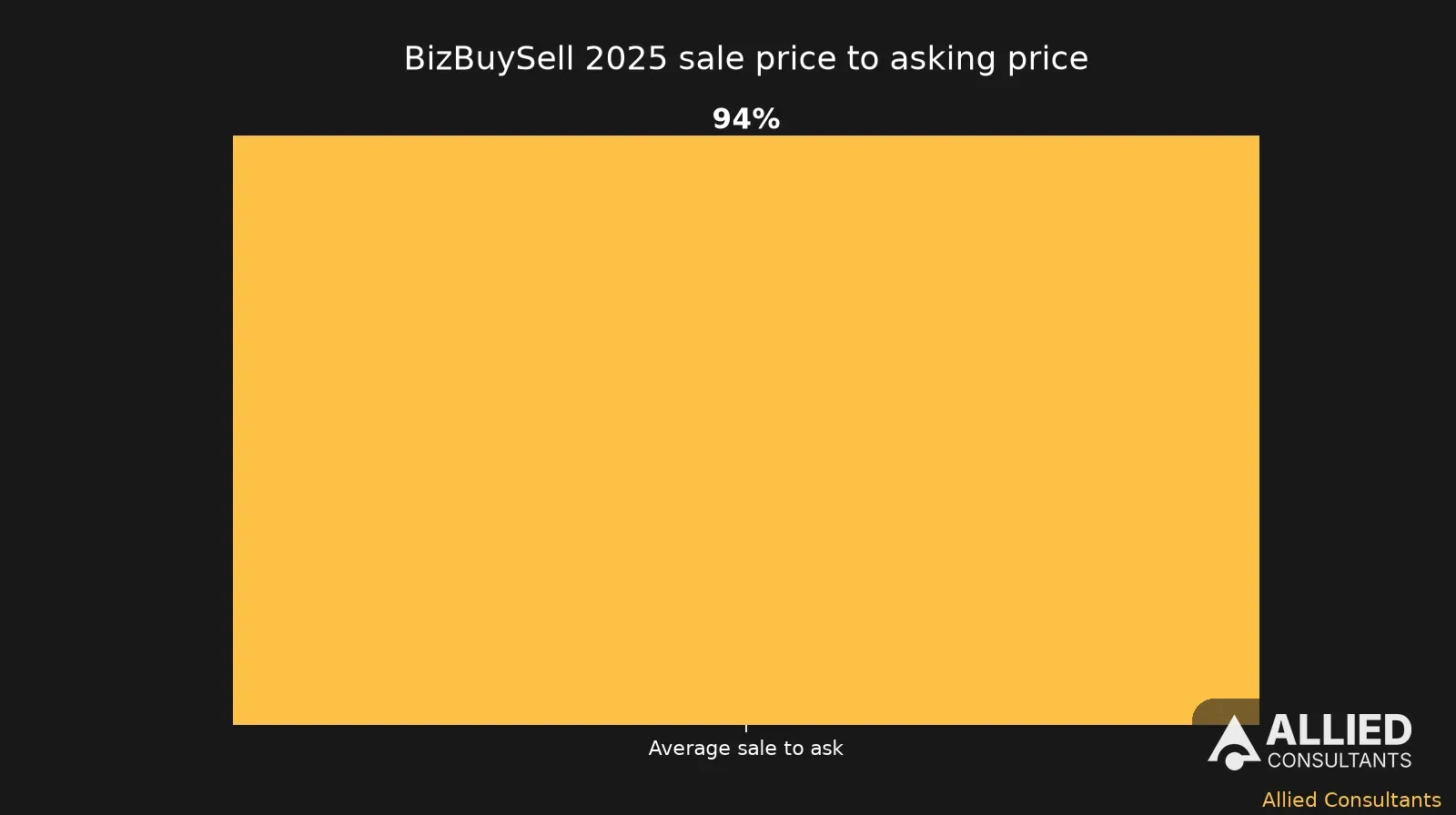
There’s plenty of activity. BizBuySell reported 9,586 closed small business transactions in 2025, with a median sale price of $350,000, and businesses selling at an average of 94% of asking price. That last figure tells you something important: on average, the asking price is close to where deals close. Your negotiating power after the LOI comes mostly from what diligence uncovers.
It’s also worth remembering what’s on the other side of the table. The Exit Planning Institute’s research says owners commonly have 80% to 90% of their financial wealth tied up in their business. Sellers aren’t villains, but they’re highly motivated to present earnings in the best possible light.
What we actually test
Adjustments and add backs
Sellers add back owner salary, personal car leases, one time legal fees and the like. Some are fair. Others aren’t. Picture a seller adding back $90,000 in “one time” marketing that, when you look at three years of ledgers, happens every single year. That’s not one time. It’s a cost of doing business.
Revenue quality
We look at customer concentration, recurring versus project revenue, pricing changes and whether revenue recognition matches when work was actually done. If one customer is 35% of sales and their contract renews in four months, you need to know that before closing.
Proof of cash
We tie reported revenue to bank deposits. It sounds basic. It catches more problems than almost anything else.
Net working capital
Most purchase agreements include a working capital target. Set it wrong and you could hand the seller extra cash at closing or inherit a business that needs an immediate cash injection. We calculate a normalized level based on monthly history.
Inventory and cost of goods
For product companies, inventory is often the biggest asset on the balance sheet. We check counts, costing and how much of it is old or unsellable. If that’s a big part of the deal, our inventory management specialists help test it.

Common findings and what they mean for price
| Finding | Why it matters | Typical buyer response |
|---|---|---|
| Recurring costs labeled as one time | Inflates adjusted EBITDA | Reduce the price or the multiple basis |
| Owner works 60 hours with a below market salary | You’ll need to hire a replacement manager | Add a market salary back as a cost |
| Revenue doesn’t tie to bank deposits | Possible overstatement or cash leakage | Pause and dig deeper before going further |
| Heavy customer concentration | Losing one account changes everything | Earnout, escrow or price adjustment |
| Deferred maintenance or unpaid liabilities | Hidden cash needs after close | Indemnity, holdback or lower price |
| Working capital below normal at closing | You’d fund the shortfall yourself | Set a proper peg with a true up |
Not every finding kills a deal. Most just change terms. A typical case we see: the buyer still wants the business, but a $250,000 adjustment becomes a seller note or a holdback instead of cash at close. That’s a good outcome. You’re paying for what’s really there.
When to order a buy side QoE
The best time is right after your LOI is signed and before you’ve spent heavily on legal documents. That way, if something serious turns up, you haven’t burned money drafting a purchase agreement for a deal that won’t work. Most of our buy side reviews take a few weeks, depending on how quickly the seller shares data.
SBA lenders and private equity funds often require a QoE anyway. Even when nobody requires it, we’d argue anyone paying more than a few hundred thousand dollars should have one. It’s insurance against your own enthusiasm.

What we need from you and the seller
A QoE moves as fast as the data does. We’ll ask for monthly financials for the last two or three years, bank and credit card statements, payroll registers, the general ledger, customer and vendor lists, and any loan or lease agreements. If the seller’s records are messy, that’s information too. A business that can’t produce clean ledgers in a deal will probably need real work on the finance side after you own it, and you should price that effort in. We keep you updated weekly, so you’re never waiting until the end to hear bad news.
After the deal closes
The QoE doesn’t stop being useful at closing. It becomes a map of where the business’s numbers are weak. Many buyers ask us to stay on afterward. Our bookkeeping team can take over the monthly books so you start clean, and a fractional CFO can build your first 100 day plan, manage lender reporting and track whether the business is hitting the numbers you paid for.
And someday, when you’re the seller, you’ll already understand what buyers look for. That’s when a sell side QoE and valuation comes into play.
Frequently asked questions
Is a quality of earnings report the same as an audit?
No. An audit gives an opinion on whether financial statements follow accounting standards. A QoE focuses on whether earnings are sustainable and accurately adjusted, which is what drives price in a deal.
How long does a buy side QoE take?
Usually a few weeks for a small or midsize business. The biggest factor is how quickly the seller provides bank statements, ledgers, payroll records and customer data.
Who pays for a buy side QoE?
The buyer usually pays, because the report is prepared for the buyer and their lender. It’s often a small share of the purchase price compared with the adjustments it can uncover.
Before you sign, let’s check the numbers
If you’ve got a deal under LOI or you’re close to one, we’d be glad to talk through it. We’ll tell you what we’d test first and roughly how long it’ll take, at no cost. See our buy side QoE services or contact us for a free consultation.
Book a Free Meeting with Allied Consultants
Tell us about your business and we will get back to you within one business day.


